
Leymah Gbowee - The Peace Bringer
These are stories of humans who thought and lived of script...Leymah believed in the power of voices, and that when women stand united, they can make great changes in the face of conflict.

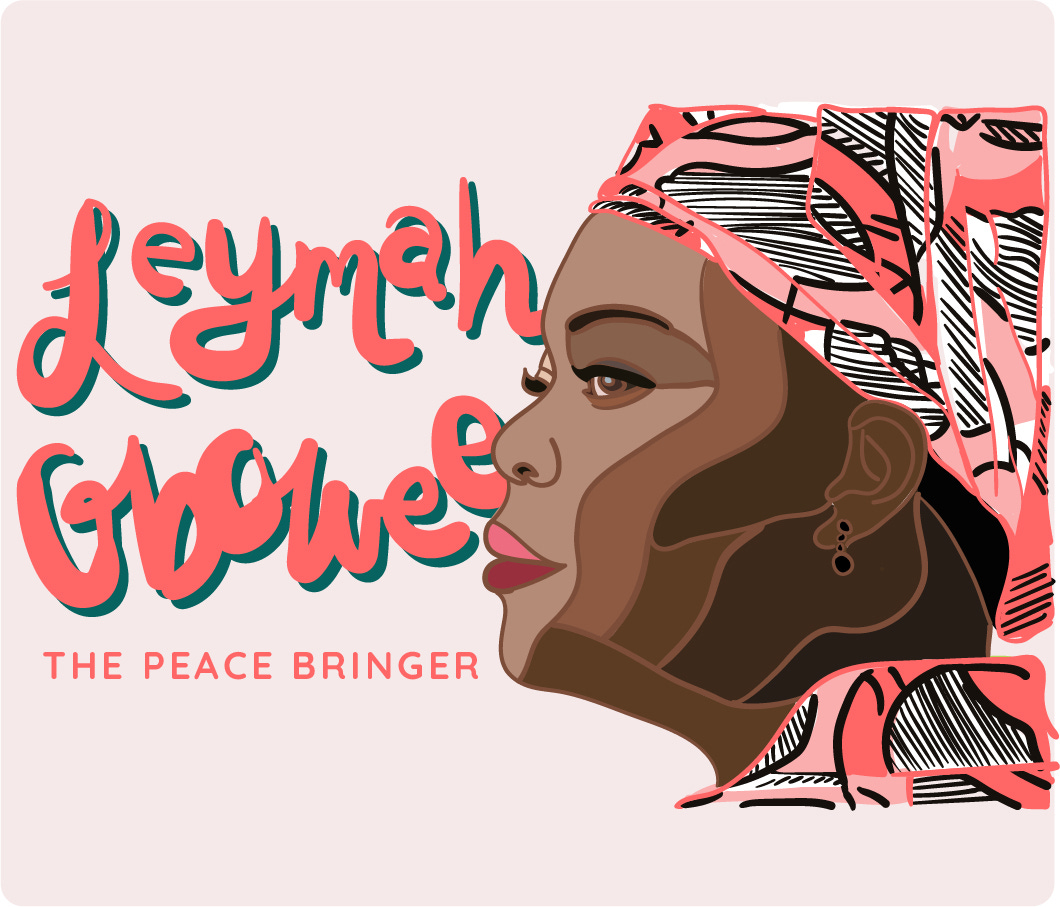
Leymah was a regular kid, growing up in Libera. She loved basketball and had dreams of going to med school, and becoming a pediatrician.
She was taught by her mentors, all humans were equal.
They always said to us was, “look at your five fingers, they are all not equal, but they all live on the hand together in harmony so and they need each other.” So that was the kind of lessons that [we] were taught.
Then the war came.
It was the first of two civil wars and it began in 1989. Suddenly, witnessing her teachers speaking so divisively and it seemed they didn’t really believe people were equal after all. This shattered her world.
At just 17 she saw the result of war. She wanted to make it stop, but doubted how one person could do anything.
She felt angry at society for lying to her, angry at the adults in her life for not protecting her, angry at seeing children eating from dumpsters.
First Steps
She allowed her anger to transform into determination.
While the war raged on, she studied trauma counselling and social work. Her first job was with a group of former child soldiers. Though she was relauctant at first (believing them to be part of the problem), she soon realised her first impressions about them were wrong.
The ability to see and understand people was her superpower.
She felt a call to approach their wives, hoping to help them heal too and see hope for their future. She felt a strong protective pull toward helping women.
Around this time, she began to see herself as an activist and again felt another calling, this time to quit her job, return home and launch a “Women in Peacebuilding Network” group there.
Gathering Hope
She began training women from all walks of life. She taught on everything from how to deal with conflict in marriage, religion, parenting, how to lead others to peace.
Her focus was on teaching women that by healing and teaching their families about peace, they were taking a political stance.
But first, she had to rebuild the women up and fill them with hope again. Many had been broken by the war. She recalls taking a group of women out for a social event to relax and have a good time.
…one time we said to them, “Dream of what you’ve never done that you’ve always dreamt of doing.” And, one Muslim woman said her dream was to always dress like a Christian and she always dreamed of wearing a blue dress, red shoes, and a red hat. We made that dream come true for her. We’d do fashion show, we’d do all kinds of things. Building their self-esteem.
The women who left her group, were so full of love and hope that it spilled out amongst the other women in their lives. This is how Leymah gathering more than 15 groups of women into her peace movement.
One day, the women came to her and asked to do a “Peace Outreach Project.” She supported them, and lead them. Soon after that, the women came to her again and said “we want to protest.” So they did.
Marching
They began protesting outside of the Embassy’s and parliment buildings. They also wrote many letters and wearing white clothes demonstrate their peaceful protest of war. Christian and Muslim women stood side by side. Leymah continued to train them, build up their self esteem and self belief.
Some people laughed at them. Others said women had no place in politics. But they kept marching, singing, and praying following the boldness of Leymah.
Perhaps the most daring of Gbowee’s actions was her direct intervention in peace negotiations. She and her fellow activists blocked doors to critical meetings, refusing to allow negotiators to leave until they committed to ending the war.
“We were determined to make our voices impossible to ignore,” she said. “If the men wouldn’t bring peace, we would not let them leave without it.”
Breakthrough
Their persistence paid off. In 2003, Liberia’s civil war finally ended, in no small part due to the courage of these women. Gbowee’s efforts were recognized globally when she received the Nobel Peace Prize in 2011, becoming the first Liberian to earn this honor.
In 2012, she founded the Gbowee Peace Foundation Africa (GPFA), an organization focused on empowering women and young people to lead peacebuilding efforts across Africa.
Leymah’s story proves peace does not always have to come from higher ups. It can emerge from homemakers. Power can be found in unity, bravery, and persistence.
In her own words, “You don’t have to sit back and wait for the world to change. Sometimes, you just have to stand in the middle of it and refuse to let it continue as it is.”
Her determination proves that even in the darkest times, ordinary people, even broken ones, can change history.
I hope you liked this story and got something out of it. I’ve been inspired to continue to re-tell the stories of many amazing people that humanity has produced. I believe telling these stories connects us, rekindles hope, and reminds us to see the good in humanity again.
Dear Lydia, this was awesome to learn about. I've also done some research recently, and women do quite belong in leadership positions. There'll always be exceptions, but as a whole, benefits tend to include more consistent policy implementation, better risk management, broader use of expert advice, lower tolerance for corruption, longer-term planning... it's already happening all over the world today!! And I feel the evolution has only just begun.
beautiful story! thank you! 🙏